Happy shopping and have a great Thanksgiving!
Diana
Lucky's Vintage


 Dessert Beauty by oldbutnew (a customer of mine)
 I hope these lovely pieces shown by these fabulous artists have given you some inspiration to try your hand at jewelry making and come up with your own design. If not, maybe you are off to make a purchase at one of the shops featured.
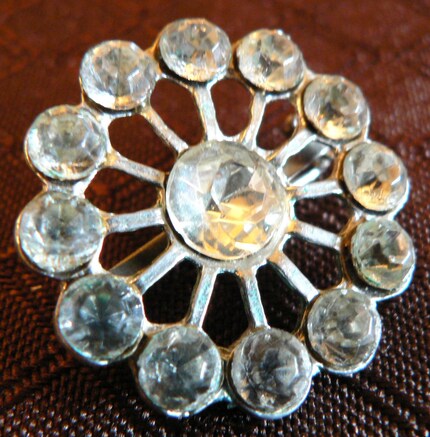
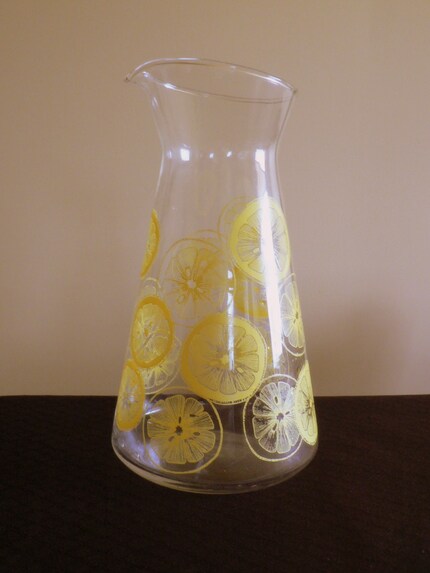
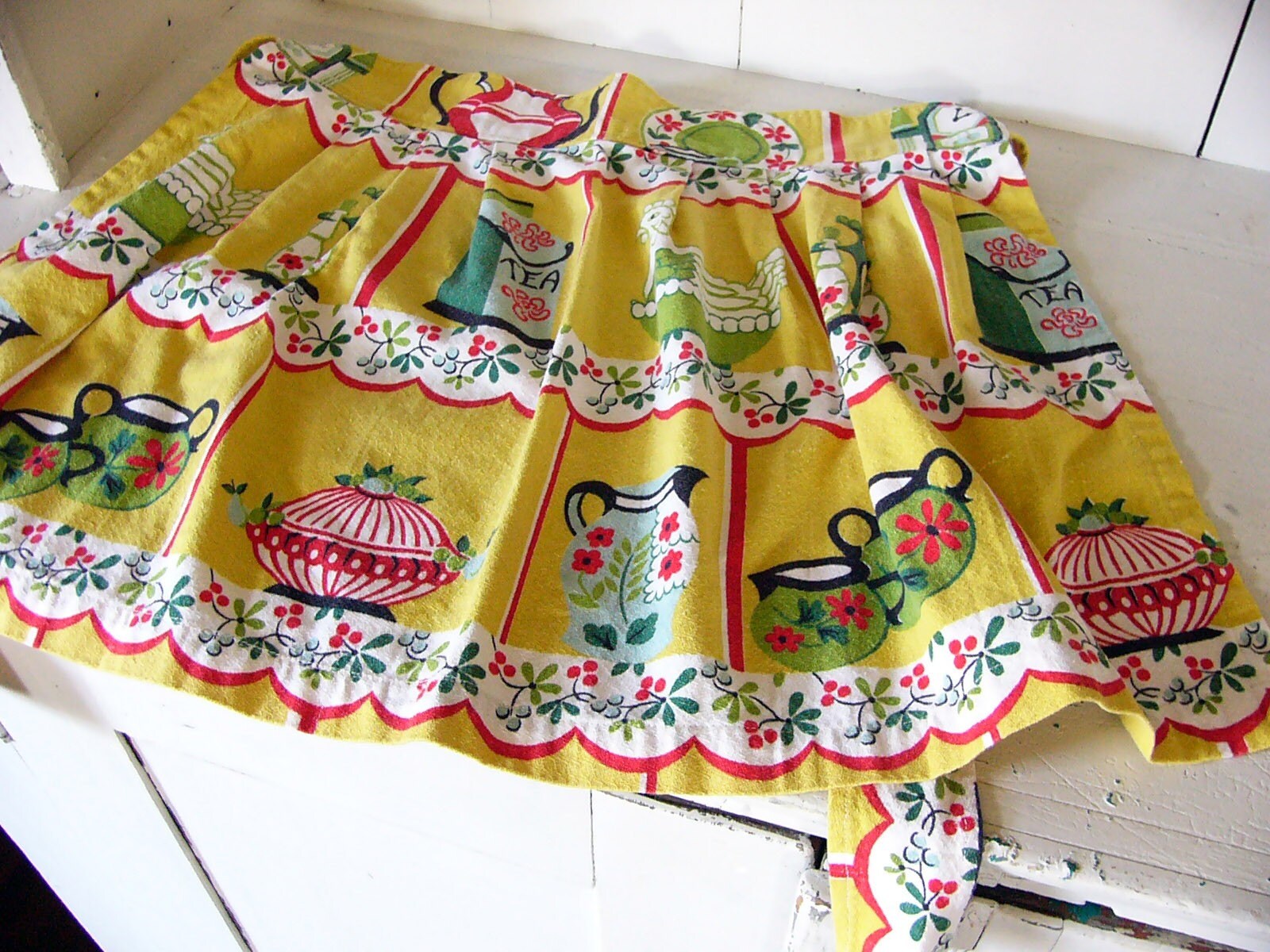
 Diana
Diana


Bakelite could be produced in a wide array of colors, but the most common where white, brown, green and red. Pieces dating back to the 1920s-1940s has oxidized and developed a wonderful patina that is sometimes a completely different hue than the original color. For example, white often turns to butterscotch, light blue changes to forest green, and pink turns to orange.

Costume jewelry from the 1920s-1940s Bakelite era is highly sought after. So how do you determine if a piece is genuine Bakelite? There are a couple of fairly simple tests. Although not foolproof, they work pretty well.
When Bakelite is heated it has a very strong odor which comes from the carbolic acid in the composition. On some pieces you can release the smell simply by rubbing them hard with your thumb and creating heat. Others will need very hot water to release the odor. On some the odor is so faint you may not detect it.
When you tap two Bakelite pieces together they will make a deep clunking sound, rather than the higher pitched clack of acrylic or Lucite plastics. This test is the most unreliable because the density of the items affects the sound you hear.
Bakelite is a thermoset plastic so it cannot be remolded with heat. To test if a piece is bakelite get a very very hot pin from an open flame source, then touch the pin to the item. If it is Bakelite it will not penetrate. It may give off the acid smell and it may leave a purple burn mark. If the pin penetrates or melts the plastic then it is not genuine Bakelite.
Use caution when doing this test as it can devalue the Bakelite piece considerably, and it may do serious damage to other types of plastic should the piece turn out not to be genuine. If you proceed with this test be sure to find a very inconspicuous spot.
Also if the material should be celluloid, it is very flammable and can be very dangerous. If you suspect the piece may be celluloid, I recommend you do not conduct this test. When ever you are conducting this test you should wear the appropriate safety equipment such as eye goggles and gloves.
This product works very well to test whether an item is Bakelite. Make sure the item is clean, wet the end of a Q-tip with Formula 409 then touch it to the piece. If the Q-tip turns yellow then the piece is genuine.
If you believe a piece is Bakelite but it doesn't pass the 409 test, don't count it out. Sometimes polished Bakelite will not react or pass the test.
 Bakelite has always been known as "the material with 1000 uses," and it surely did earn this name. It is now treasured for its unique, irreproducible beauty. When the Bakelite patent expired in 1927, it was acquired by the Catalin Corporation that same year. They began mass production under the name "Catalin". The Catalin Corporation was responsible for nearly 70% of all phenolic resins that exist today.
Bakelite-Catalin was sold mainly to companies like Saks Fifth Avenue, Bonwit Teller, Woolworth's, and Sears. Much of the wealthy society fell into difficult financial times during the Great Depression and could no longer afford Tiffany diamonds or Cartier Jewelry.
Bakelite-Catalin took up the market slack with its colorful carved jewelry adorned with rhinestones. This jewelry was within the reach of all, and its popularity grew from the poorest to the wealthiest in society.

In 1942 Bakelite-Catalin stopped sales of their colorful costume jewelry in order to concentrate on the nation's wartime needs. The company produced thousands of products that found their way into the military.
By the end of the World War II, new technologies for molded plastics had been developed. These new products consisted of plastics such as Lucite,Fiberglass, Vinyl, and Acrylic - all which were molded.
And so Bakelite and Catalin become obsolete, except in the hearts of collectors who still pursue it today."
I hope you enjoyed learning a little bit more about Bakelite and where it all started. When I read the history of different vintage pieces, it just makes me treasure them even more!


